

My Orange Pound Cake is bursting with bright, sweet orange flavors. Made with fresh orange zest, juice, and simple pantry staples like butter and sour cream. It’s buttery, and exceptionally moist, with a fine velvety crumb.
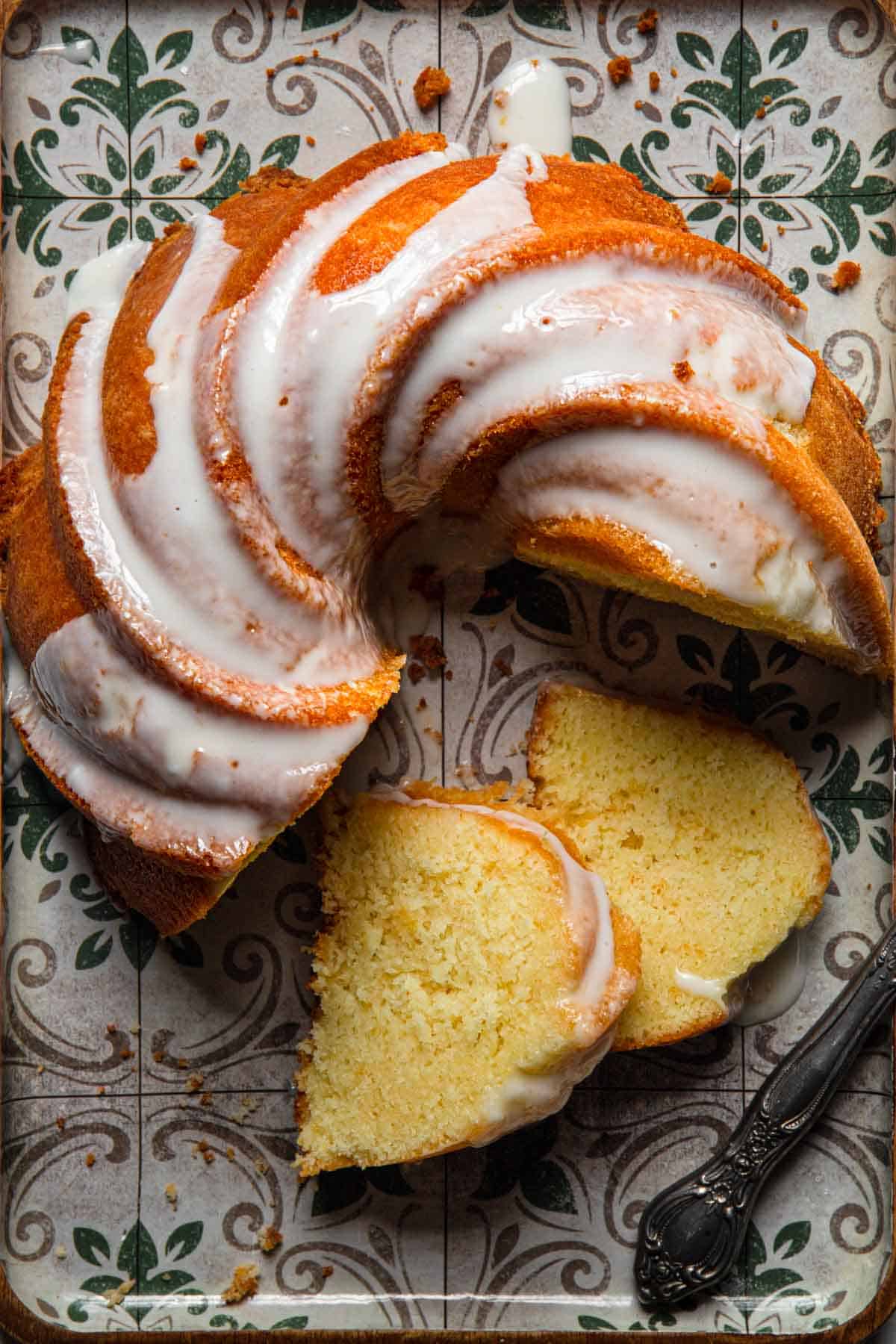
Orange is one of my favorite ingredient to bake with, I guess that’s why I posted so many Orange Cakes Recipes. It is tied with nostalgic memories and there is something about a bright citrusy flavor that just feels like home.
Unlike my Orange Chiffon cake which is light and airy, this cake is a buttery, and rich pound cake perfect for an afternoon coffee companion or for a king’s breakfast.
Key Ingredients
Here’s a quick overview of why each ingredient matters and the role it plays in this recipe. I tested this recipe several times, experimenting with both the ingredient amounts and types. You can find the full list of ingredients and measurements in the recipe card below.
- Orange zest, from about 3 medium oranges. I used Navel oranges, and you can use which ever is available to you. The zest is what gives the cake is distinguished orange flavor, and when zesting the oranges, avoid the bitter white pith. Only zest the colorful outer layer of the orange.
- Unsalted butter. The butter is what makes this cake so tender and indulging, and it is crucial for it to be soft, and at room temperature (soft enough for your finger to press it easily). A cold butter will not incorporate well and we might end up with a dense cake. Avoid from using salted butter, each brand adds a different amount and it may effect the texture and flavor of the cake.
- Sugar. When it comes to pound cakes, especially this one, sugar does more than just sweeten the batter. Sugar attracts and holds onto water, which helps keep the cake moist and tender. In this recipe, it adds an extra layer of softness and moisture. Reducing the sugar will result in a cake that’s shorter and less tender.
- Sour cream. The sour cream elevates the cake like magic. Its tangy flavor balances the sweetness of the cake, its fat content adds richness and tenderness, and its water content adds moisture. Because it’s acidic, it also shortens the baking time, meaning the cake bakes faster and retains more of its moisture.
Pans Options
This cake recipe is very versatile and can be baked as a loaf cake: two 8 or 9×5 inch loafs, each yields 8-10 slices. A bundt cake (or a tube pan):10, or 12 cups, yields 12-15 slices.
Baking time will vary, please see recipe notes.
Tips, Tricks & Troubleshooting
Here are all my tips and tricks I use every time I bake this cake (and pound cakes general), and step-by-step images for visual cues.
- Prep the ingredients before you start: it the best way to make sure you don’t skip an ingredient (happened to the best of us), or lose count of the amounts.
- Rubber spatula is your best friend, I can not say it enough. During mixing, some of the ingredients will stick to the bottom and sides of the bowl. A rubber spatula is the best tool to make sure all of the ingredients are fully incorporated. Use it as you go and at any step. When you cream the sugar and butter, when you add the eggs, and when you incorporate the dry ingredients.
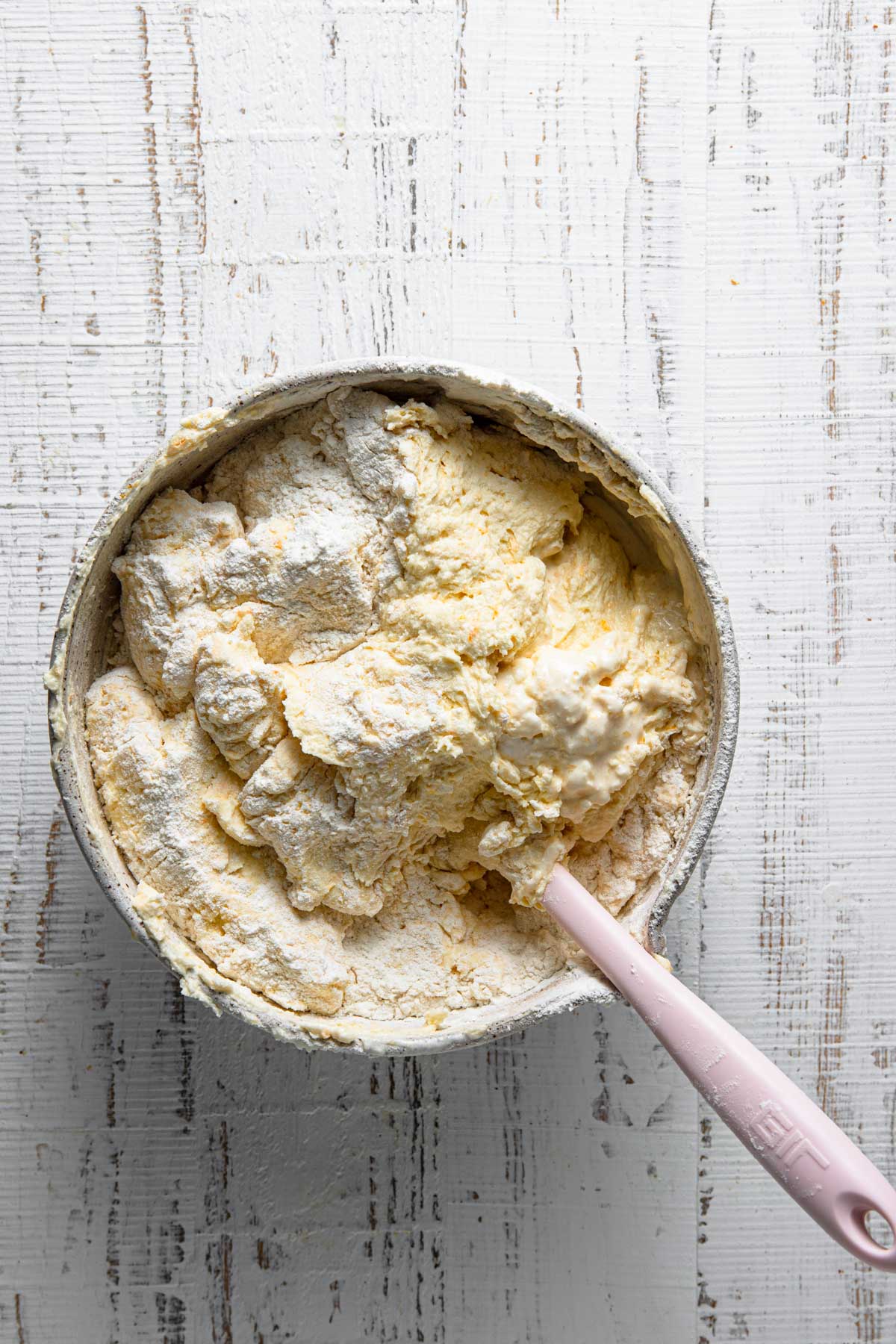
- When you add the liquids and flour mixture, reduce the mixer speed to low. And act fast, the longer the mixer is mixing in the flour, the more gluten is formed. Add the last portion of flour using a rubber spatula.
- Pay attention to the cake and not the timer. Your oven is different than mine and the cake might need more or less time. The cake is ready when a toothpick comes out of the center of the cake with a few moist crumbs.
- Allow the cake to cool in the pan for about 30-40 minutes before inverting it on a wire rack. If using a loaf or a single layer pans, make sure to line the pans with parchment paper.
- The cake is ready to be removed from the pan, when the pan is warm, but you can still touch it without any discomfort. Please do not allow the cake to chill completely in the pan, it will get stuck.
Store
Store the cake at room temperature in a cake dome, or covered for up to three days. To freeze, wrap the cake with plastic wrap, or aluminum foil, then place in aplastic bag and freeze for up to six weeks. When ready, unwrap the cake at room temperature and allow it to defrost.


Buttery and Moist Orange Pound Cake
Ingredients
- 2 3/4 Cups All-purpose flour (330g)
- 1 Tablespoon Baking powder
- 1/2 Cup Sour cream and room temperature (120ml)
- 1/2 Cup Fresh squeezed orange juice (120ml)
- 1 teaspoon Vanila extract
- 2 Cups Sugar (400g)
- 3 Tablespoons Orange zest (from about 3 medium oranges) (21g)
- 1 1/2 Cups Unsalted butter at room temperature (360g)
- 3 Large Eggs at room temperature
- 1 Large Egg yolk at room temperature
- 1 Recipe Orange glaze (optional)
Instructions
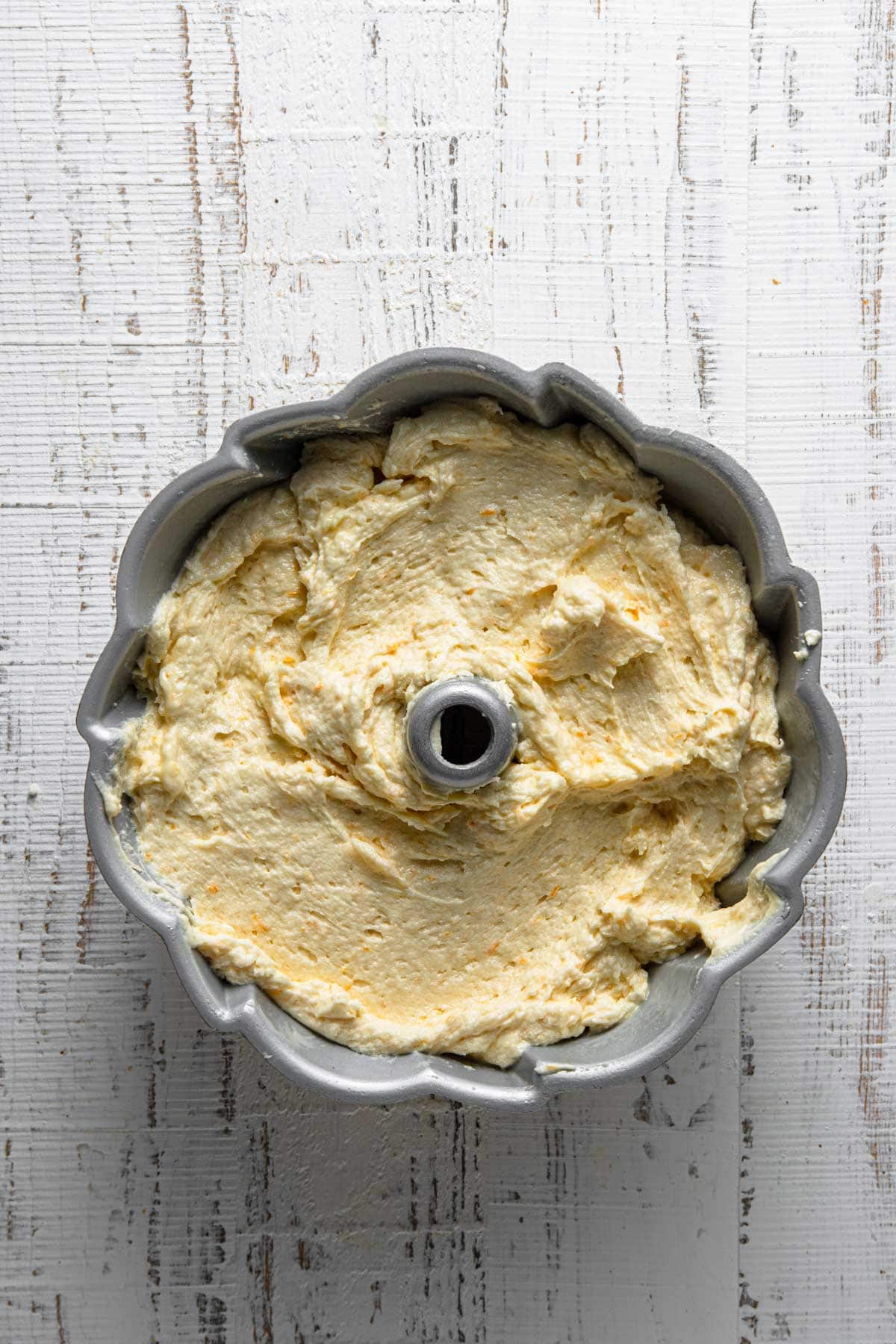
- Preheat the oven to 350F (180C) and grease one 10, or 12 cups bundt pan.
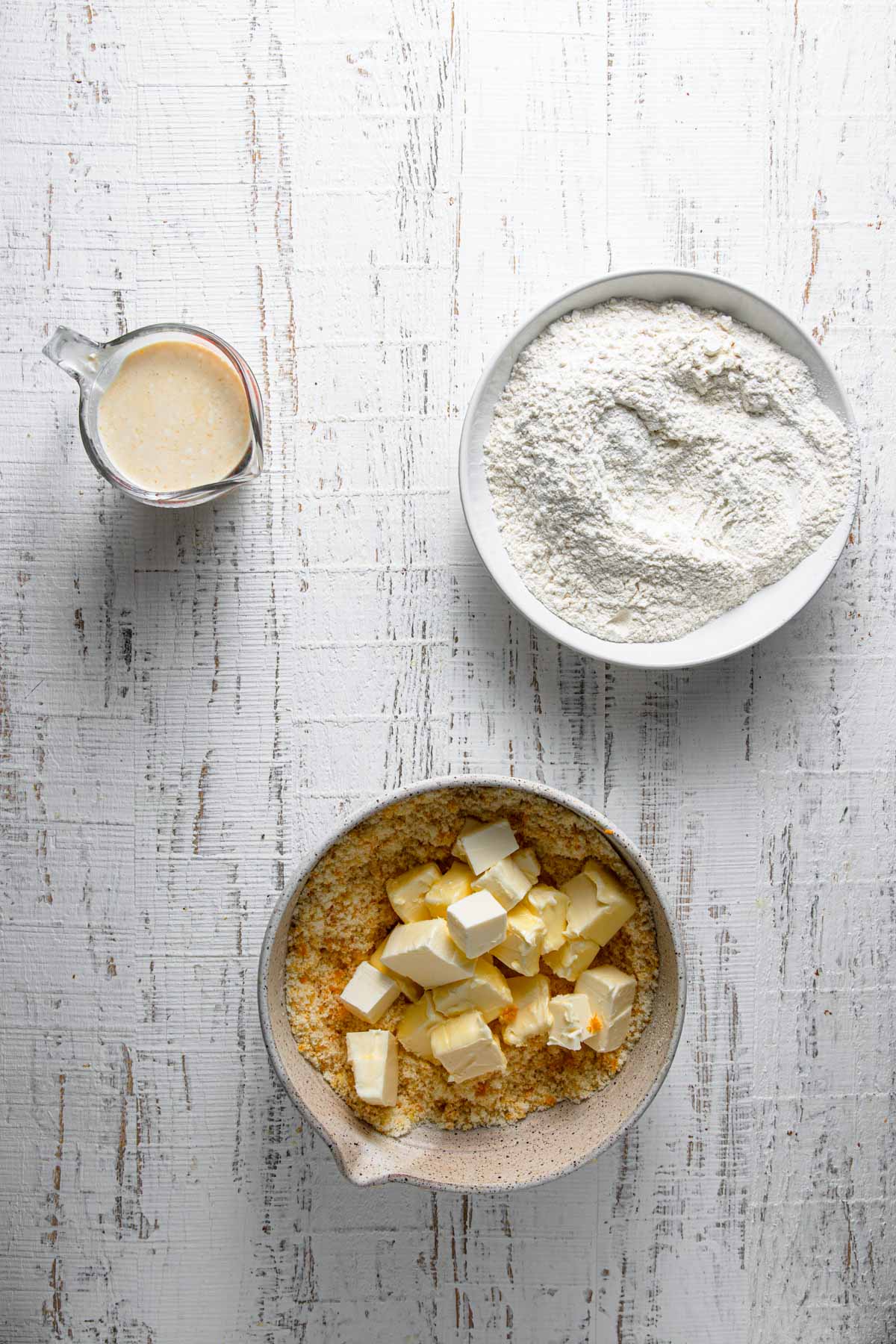
- In a medium bowl mix the flour and baking powder.
- Mix the sour cream, orange juice, and vanilla extract in a measuring cup.
- Rub the zest into the sugar using a fork or your fingers in a large bowl, or a bowl of a standing mixer fitted with the paddle attchment.
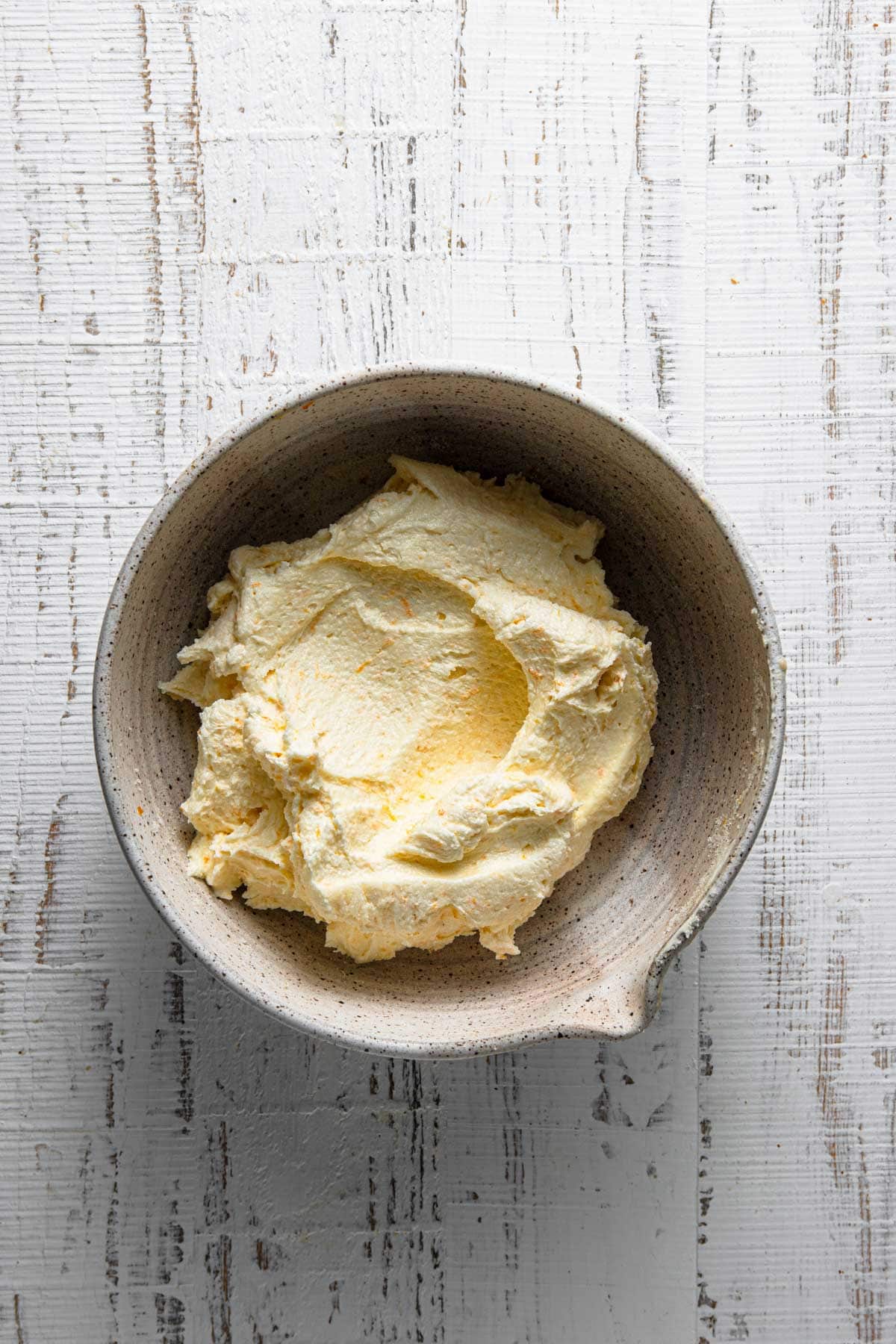
- Add the butter to the sugar and mix for 4-5 minutes, until light and airy. Scrape the sides and bottom of the bowl.
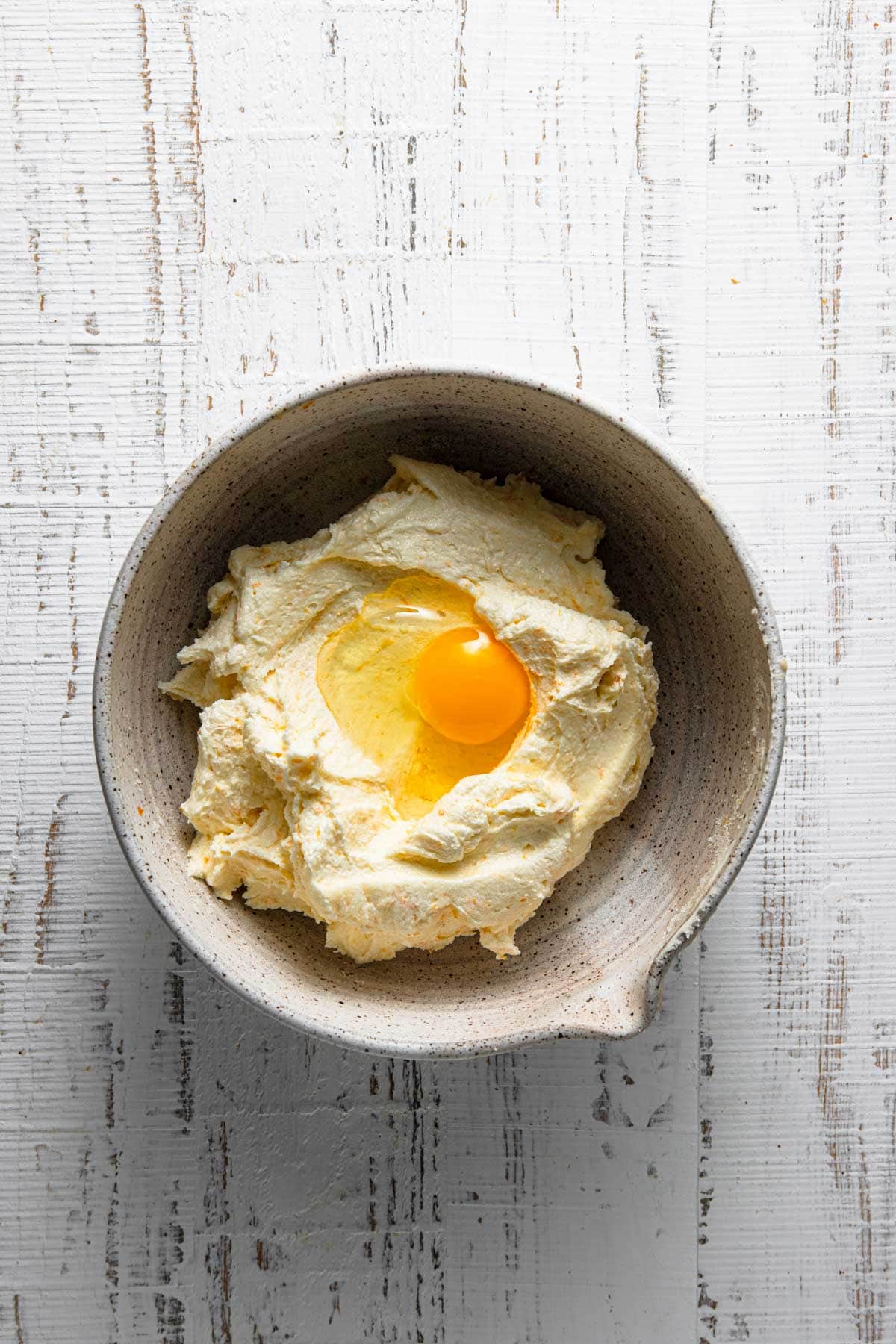
- Add the eggs, one at a time waiting for each egg to completely incorporate before adding the next.
- With the mixer on low speed, add the flour mixture in three additions alternating with the wet ingredients. Starting and finishing with the dry ingredients.
- Fill the prepared pan with the cake batter and bake for 40-45 minutes, or until a toothpick comes out with a few moist crumbs from the center of the cake.
- Remove from the oven and allow the cake to cool in the pan for 35-40 minutes, or until the pan is cool enough to hold with your hands (but still warm).
Notes
- To bake in two 9×5-inch loaf pans. Bake time: 30-35 minutes
- Baking time might vary from oven to oven, so pay attention to the cake and not the timer. The cake is ready when a toothpick comes out with a few moist crumbs from the center of the cake.
- Make sure all of the ingredients are at room temperature.


just made the orange cake. It is delicious! Unfortunately my Bundt pan didn’t cooperate, so a little breakage. I will grease and maybe flour better next time. I wonder if I can also reduce the sugar a bit. I have found that reducing one cup of sugar by 2.5 tablespoons doesn’t usually hurt the recipe, but wonder what you think?
The cake texture is so soft and fluffy- husband kept picking at it before I could even put eh glaze on.
Thank you Sara, sorry to hear about the pan, I know how frustrating this can be! About the sugar, you can reduce it by up to 1/2 cup (100g). But remember that the sugar contributes to the moistness and hight of the cake so it might effect it.
Can you make this into cupcakes?
Technically yes, but keep in mind pound cake are dense and rich while cupcakes are lighter.
Perfectly moist & lemony. It lasts beautifully for a week in a cool kitchen in England. All my guests, family & especially my husband love it!!!!
Thank you Suzan, so happy to read you enjoyed this cake!
Thank you for this delicious recipe that even I was able to follow exactly with fantastic results ! Absolutely delicious on my first attempt….FYI I had AI assistance to half all the ingredients so I ended up with one loaf pan.